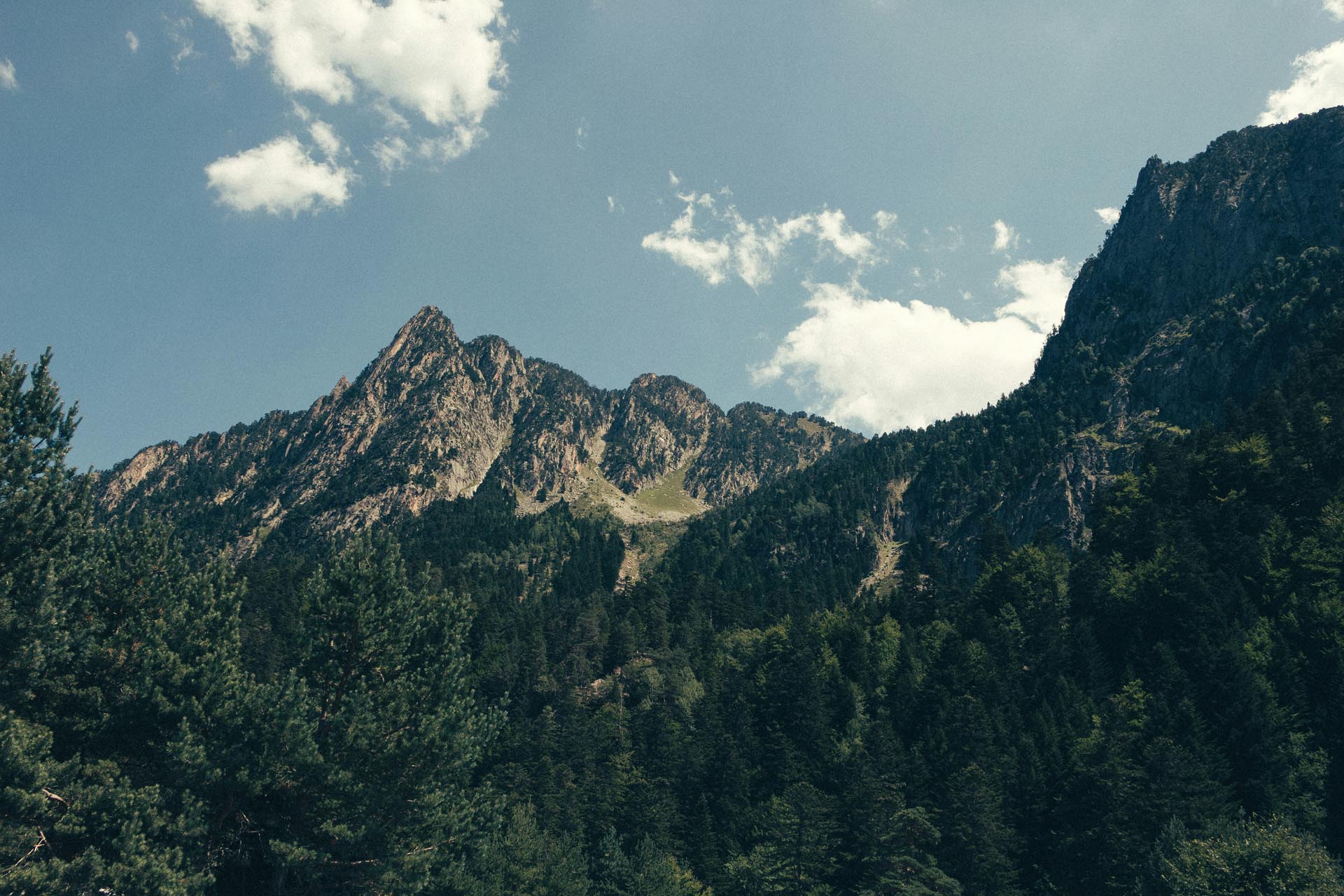



Winter in the Pocono Mountains reveals a different side of the region, and one that many visitors never experience. Without dense summer foliage and heavy seasonal crowds, colder months offer some of the best opportunities for spotting local wildlife in natural settings. Snow-dusted landscapes, frozen forests, and quiet trails make it easier to observe animals going about their winter routines, often closer to open areas and waterways.
For families and multi-family groups staying together near Lake Harmony, winter wildlife viewing becomes a peaceful, shared experience that adds depth to a Pocono Mountains getaway. From majestic bald eagles to white-tailed deer and elusive foxes, winter brings visibility, stillness, and a stronger connection to nature.
Winter Wildlife You May See in the Poconos
White-Tailed Deer
White-tailed deer are among the most commonly seen animals in the Poconos during winter. As food sources become scarcer, deer often move closer to forest edges, open clearings, and lower elevations where foraging is easier. Their movement patterns and dark silhouettes stand out against snow and bare ground, making winter one of the best seasons for reliable sightings. During colder months, deer frequently travel in small groups, which increases visibility along trails and open areas. Early morning and late afternoon tend to be the most active times, especially near wooded edges where shelter and food sources overlap. Look for heart-shaped hoof prints in snow, well-worn trail paths, and browsed twigs at waist height along forest edges.
Bald Eagles
Winter is widely considered one of the best times to spot bald eagles in the Poconos. As northern water sources freeze, eagles migrate south and gather near rivers and lakes that remain partially unfrozen. These open waters provide access to fish, making them prime hunting grounds. Visitors may see eagles perched high in trees near waterways or soaring overhead in search of food. Winter sightings are often easier than summer because leafless trees make nests and perching spots more visible, and eagle activity tends to concentrate around consistent food sources. Watch for large stick nests high in tall trees near water and scan shorelines for broad wing shadows or large birds perched above open water.
Red Foxes and Coyotes
Red foxes are especially striking in winter, their coats creating a sharp contrast against snowy landscapes. They are most often seen near wooded edges, open fields, and quiet roads at dawn or dusk. Foxes remain active throughout winter, hunting small mammals beneath the snow using their keen hearing. Coyotes may also be present, though they are typically more cautious and less frequently observed. Their tracks, however, are commonly seen in snow-covered areas, offering clues to their presence even when the animals themselves stay out of sight. Identify narrow, straight-line tracks in snow and listen for distant calls at dawn or dusk, especially near open fields and wooded edges.
Owls and Birds of Prey
Once trees lose their leaves, owls and other birds of prey become much easier to spot. Species such as great horned owls and barred owls remain active throughout winter, often heard calling at night or seen perched during daylight hours. Hawks and other raptors also remain visible along open corridors and river valleys. Winter makes it easier to observe hunting behavior, as birds of prey take advantage of open sightlines and exposed landscapes. Quiet mornings and overcast days are often ideal for spotting these species. Check for pellets beneath trees or fence posts and look for wide wing impressions or talon marks in fresh snow near hunting areas.
Black Bears
Black bears in Pennsylvania do not enter true hibernation. Instead, they experience a state known as torpor, where they sleep for extended periods but may occasionally wake and move or forage during warmer winter days. While winter bear sightings are rare and uncommon, they are possible. Observing from a distance and avoiding interaction is essential if a sighting occurs. Rare tracks appear as large, rounded paw prints with five toes, often near wooded slopes or den entrances during mild winter thaws.
Best Wildlife Viewing Spots Near Lake Harmony
Staying near Lake Harmony places visitors within easy reach of several of the region’s most reliable winter wildlife areas.
Hickory Run State Park (About 25 Minutes)
Hickory Run State Park is well known for winter wildlife activity, including deer, foxes, and birds of prey. Areas near streams and open spaces are particularly good for sightings, and the quieter winter season allows for peaceful observation without heavy foot traffic.
Lehigh Gorge State Park (About 45 Minutes)
Lehigh Gorge State Park offers excellent opportunities to see bald eagles, hawks, and winter birdlife along the river corridor. The contrast between water, rock walls, and forest makes this area especially active during colder months.
Delaware Water Gap National Recreation Area (About 1 Hour)
One of the most reliable winter eagle habitats in the region, Delaware Water Gap is known for bald eagle sightings along rivers and quieter trails. Deer and foxes are also commonly observed in open areas and forest edges during winter.
Responsible Wildlife Viewing in Winter
Winter is a demanding season for wildlife, and respectful observation is essential. Visitors should maintain distance, move quietly, and avoid approaching or feeding animals. Wildlife viewing is best experienced as a passive activity, allowing animals to conserve energy and remain undisturbed in their natural habitats.
Staying on marked trails, using binoculars or cameras with zoom lenses, and observing from a safe distance all contribute to responsible wildlife experiences.
Where to Stay for a Winter Wildlife Trip
A winter wildlife getaway is best enjoyed from a warm, comfortable home base, especially for families and large groups traveling together. Professionally managed, purpose-built vacation homes near Lake Harmony offer the ideal balance of proximity to nature and modern comfort.
Pocono Mountain Rentals specializes in spacious homes designed for group stays, with large gathering areas, cozy living spaces, and scenic wooded surroundings. After a day of wildlife viewing, guests can return to a well-maintained home that supports relaxation, shared meals, and time together without crowding.
For groups seeking a quieter, more nature-focused Poconos experience, winter offers unmatched visibility, peaceful surroundings, and a chance to connect with the region’s wildlife without sacrificing comfort or convenience.